Finding a Good Team Fit – 2012

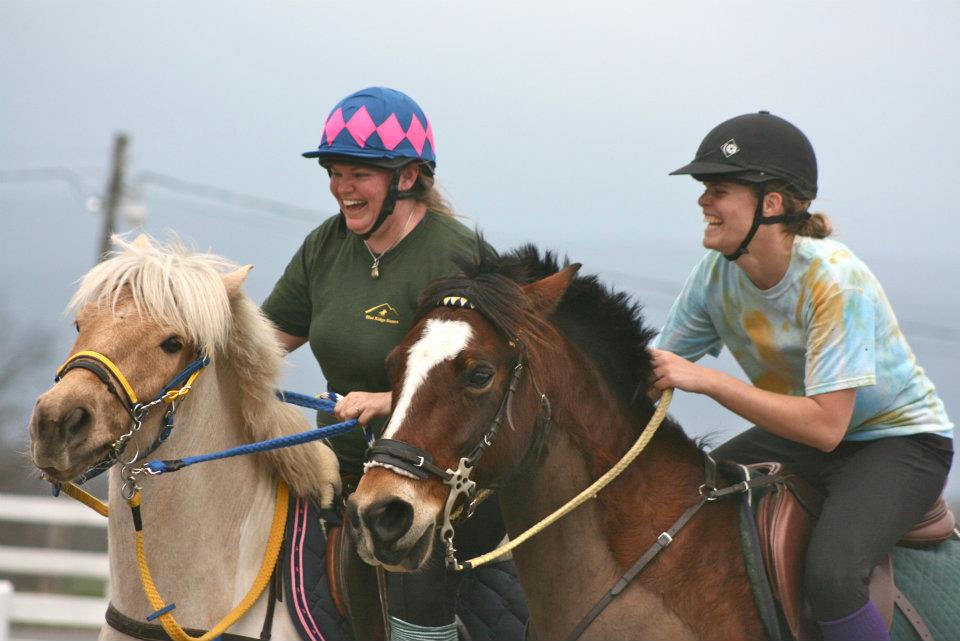
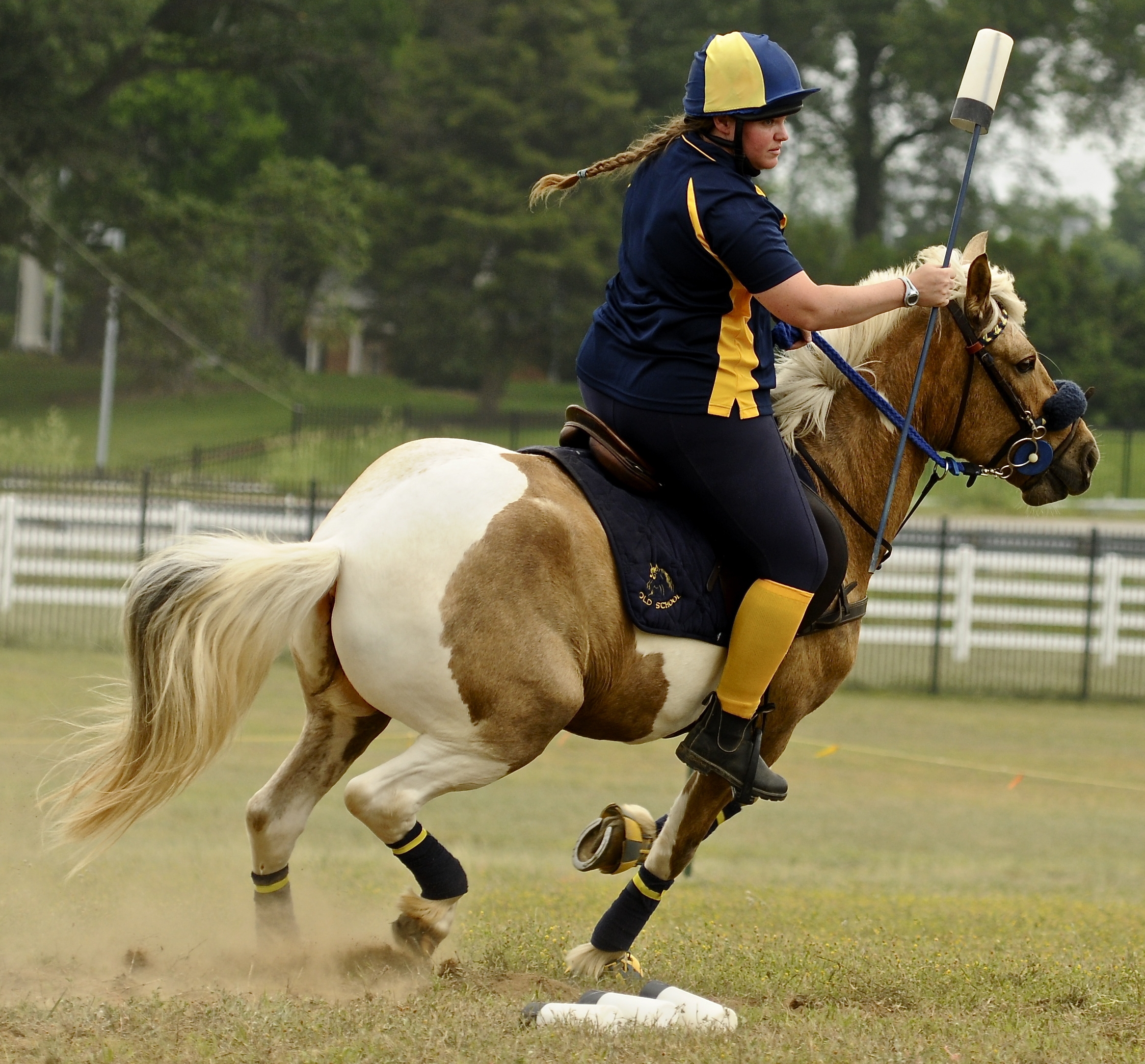
May 2010 - Linda and Krista (Tommy and Lisa in the background) - team Old School

Not many horse sports are team oriented, and of those that are, not many are as team extreme as mounted games. 

Mounted games is almost exclusively a team sport.  With the exception of a small amount of individual competitions, most work on a two person/pony pairing or a team of 4 or 5 riders and ponies.  Unlike in some team horse disaplines where a rider’s individual score is combined with his or her teammates’ scores for a placing, in mounted games, riders must work together to collect the points as one unit. 

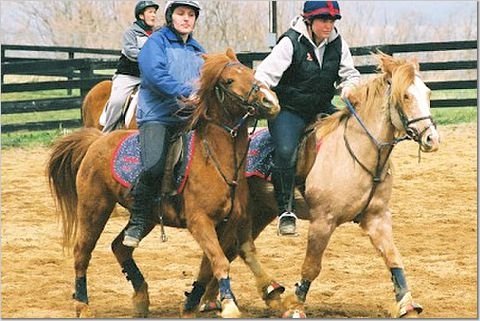
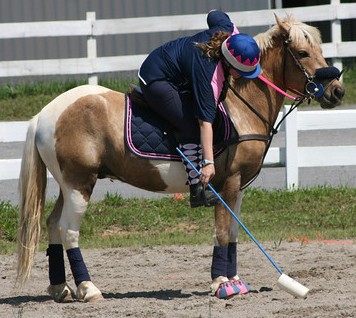
Spring 2011 - Linda, Carol Ann, Krista

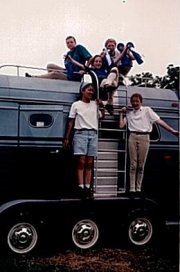
late 1980s - Frederick Pony Club Games Team
Krista, Margie, Mollie
Sarah and Jenny

Mounted games is set up in relay race fashion, with a whole team needing to complete a race for placement and subsequent points, teams must select an order of play that will best utilize each rider pony pair in the teams best interest.  Teams must communicate during races and instruct riders in a race of their standings and how to proceed.  And in some races, teammates must work together to complete a section of the race as a single unit. 

In some races riders may need to ride together holding a short length of rope between the two while navigating a course, or lead and hold one’s pony while the other completes a task.  Riders must also hand off objects from rider to rider, often at high speeds, so determining who’s pony may not get along with another’s is paramount. 

Around 2004 - My sister Kerri and I competing together

Some races require different riders to complete different tasks, and determining which rider and pony pair is best for each obstacle, can significantly determine the outcome of a race.  Some ponies may be slow but better suited for tasks like standing still for a rider to complete a technical task, where another team mount might not stand still, but might have a lot of speed and fast turns that are best utilized in covering distances. 

1993 - Krista and Mollie

1997 or 98 I think
Krista and Kennth
Canada

Some riders and ponies may have better starts and do well under the pressure of first position, while others get nervous in that situation.  Other riders may actually perform better when they are in a pinch, and are good at bringing up the tail in last position.  Some may do well regulating the need for speed and if they need to push or restrain when riding in the last position, depending on the other teams completion of a race. 

  Having a good mix of riders that fill in these positions best, and a good mix of ponies that include both steady and fast will help determine a team’s success.    Finding the right team can be challenging.  Not all riders want to be as dedicated or intense as others.  Some people tend to be less dependable or lose interest quicker than others.  Some people work better in a team environment than others and some people have personalities that tend to be controlling and independent while others are aloof or lack communication. 

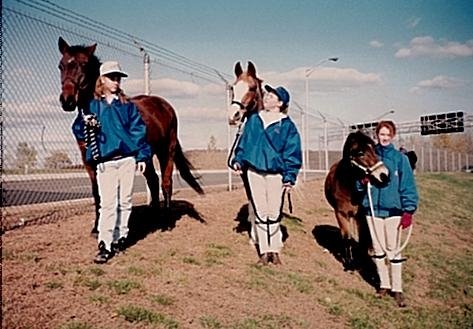
1991 or 92 - Christine, Krista and Jenny
Meadowland, NJ

A successful team should have a mix of personalities that get along well, with some strong and some laid back, so the mix works together and doesn’t clash.  A successful team will also have riders that want to be as competitive or who are not worried about being competitive as each other.  Having one rider who doesn’t care how they do mixed in with three that are cut throat and looking to win, is not good for anyone involved. 

2003 or 2004
Krista and Kerri

Riders on a team also need to be of a similar level and experience when competing.  Having one teammate that is just learning to ride and is not confident to break out of the trot matched up with a team of riders that have been competing all their lives at top speeds will only discourage and frustrate everyone. 

I have been playing games for nearly 25 years and have been on an array of teams.  Some were good and some, not so much.  Some were competitive and some were just looking to have fun.  Some teams selected a list of competitions to take part in at the start of the year and were dedicated to those, and other teams were thrown together last minute.  But for the most part, I have always enjoyed being part of a team.  It gives you someone to share the experience with and creates a bond that is unique and special. 

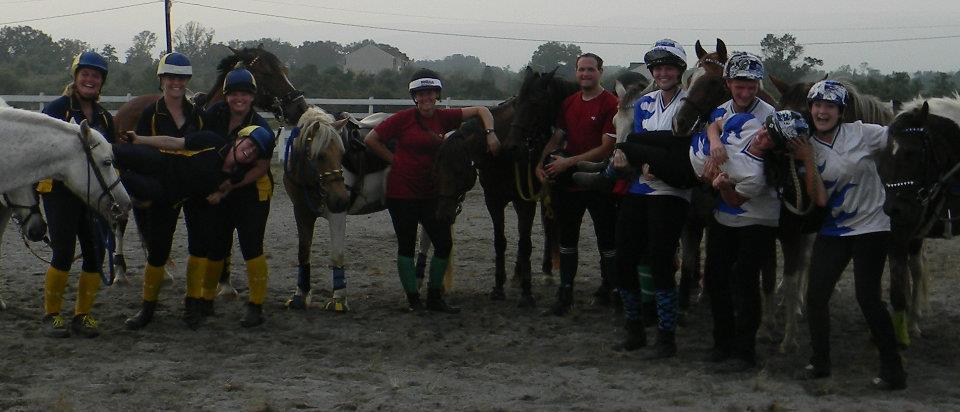
Fall 2011 - Blue Ridge Games
Old School, Scramble, Aftershock

My current team, Old School, competes in the adult division.  This will be our forth year as a team.  We are a dedicated, enthusiastic, competitive team, that tends to lean towards the intense side.  We currently ride as a four rider/pony team, although we have had guest riders on occasion and probably will in the future.  Being a passionate team with several strong personalities, finding a permanent fifth rider could be considered a challenge.  But, of all the teams I have been a part of, Old School is by far, my favorite team.  I value my teammates who I consider among my short list of best friends.  We have bonded through our riding and I not only enjoy time in the saddle with each of them, but I also look forward to other activities and being a part of their non riding lives. 

Finding a team that really meshes well is difficult, but if it can be done, it is also one of the most rewarding relationships one can have.   

March 2012 - Krista and Kim - Having way too much fun!
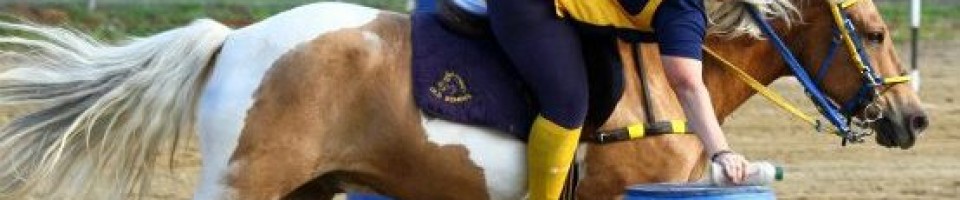
Games Reins

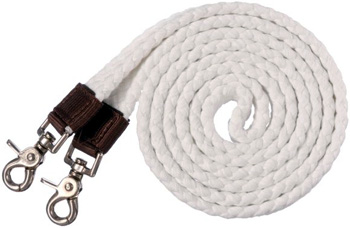
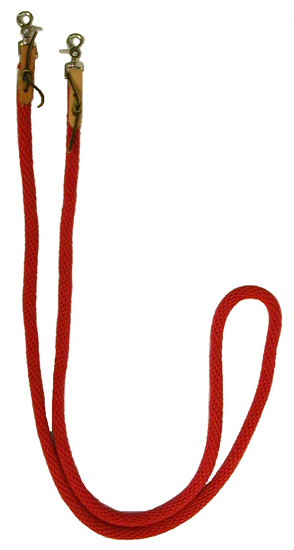
There are a lot of reins available on the market;  leather, rope, cotton, nylon, rubber, BioThane, split, buckled, short and long.  Different riders prefer different styles and materials for different horses and different applications.

Mounted games is no exception and US riders tend to use a variety of reins, but there are certainly trends.  Some riders prefer nylon rope reins which come in tons of colors and styles and some prefer traditional leather.  But one of the most popular types are cotton gaming reins.  They are inexpensive, soft and wide and come in a variety of colors.  You can pick them up from Chicks Saddlery for $13 among many other places.

Using the tail to navigate between races

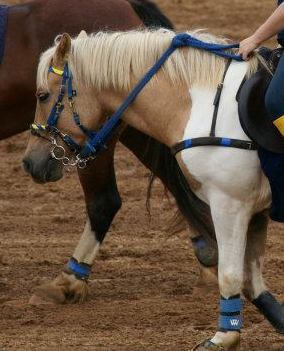
Another typical mounted games rider rein trend is to prefer shorter reins.  Sometimes reins are just short, perhaps 4 or 5 feet in length and often they are normal length reins that are knotted to create a shorter rein.  This allows the rider to grab the rein with one hand and easily have them collected for immediate navigation.

The knotted rein gives the advantage that the rein can be adjusted throughout the session from race to race making shorter and longer reins.  It also leaves a tail on the reins for a relaxed rein for between races.

Some riders do not like a knot but do like a short rein.  This is easy to accomplish with the flat cotton reins by cutting them to the desired length then fixing them back through the snap and securing them with electric tape, by sewing, duct tape, etc.

I have used both the knot and the short rein for mounted games depending on the pony I am riding.  Last year I rode Simon in a knotted rein so I could adjust the length throughout the session which was handy when he was still learning.  But I am currently moving to a shorter rein and this weekend I worked with two different lengths.

I decided to go with the shorter of the two lengths I tried, which are a little uncomfortable for riding on a loose rein between races and during warm up but are much easier for riding through the actual games.

2 Lanes of Bending Poles

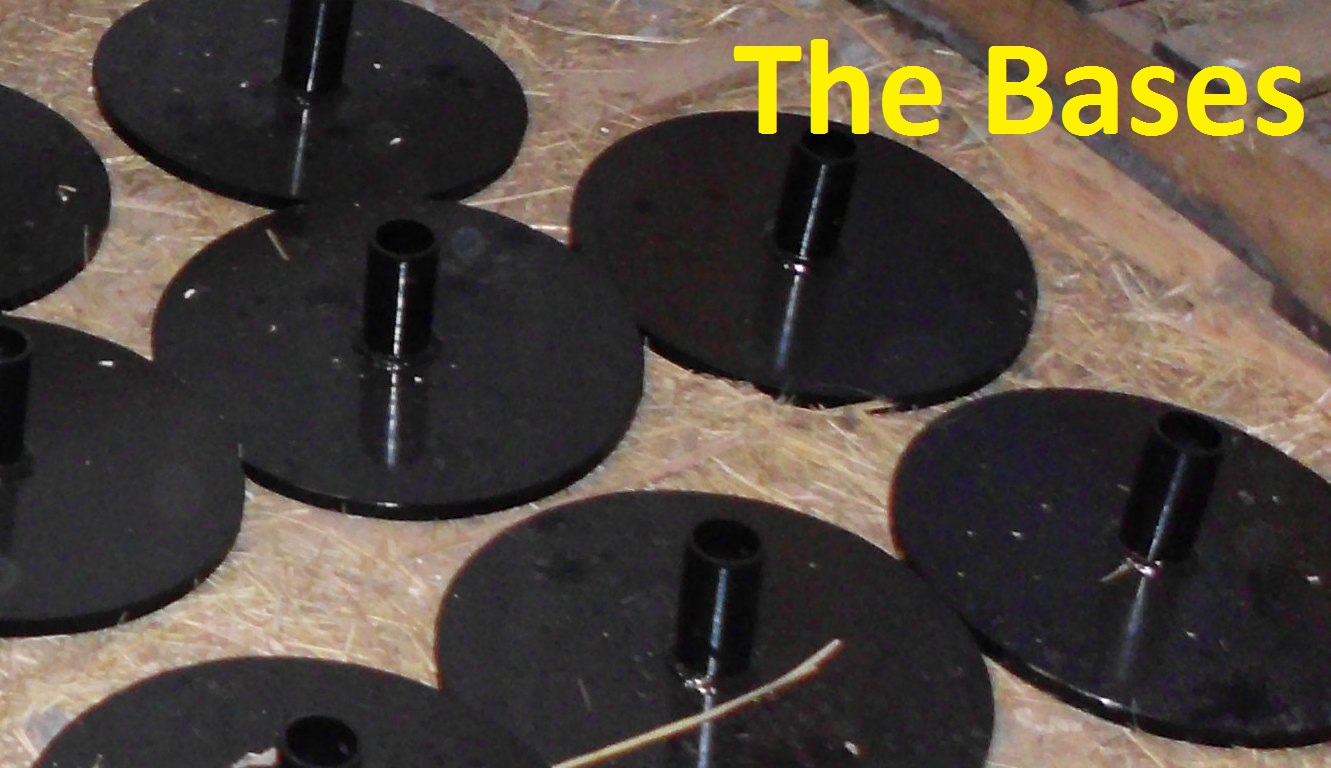
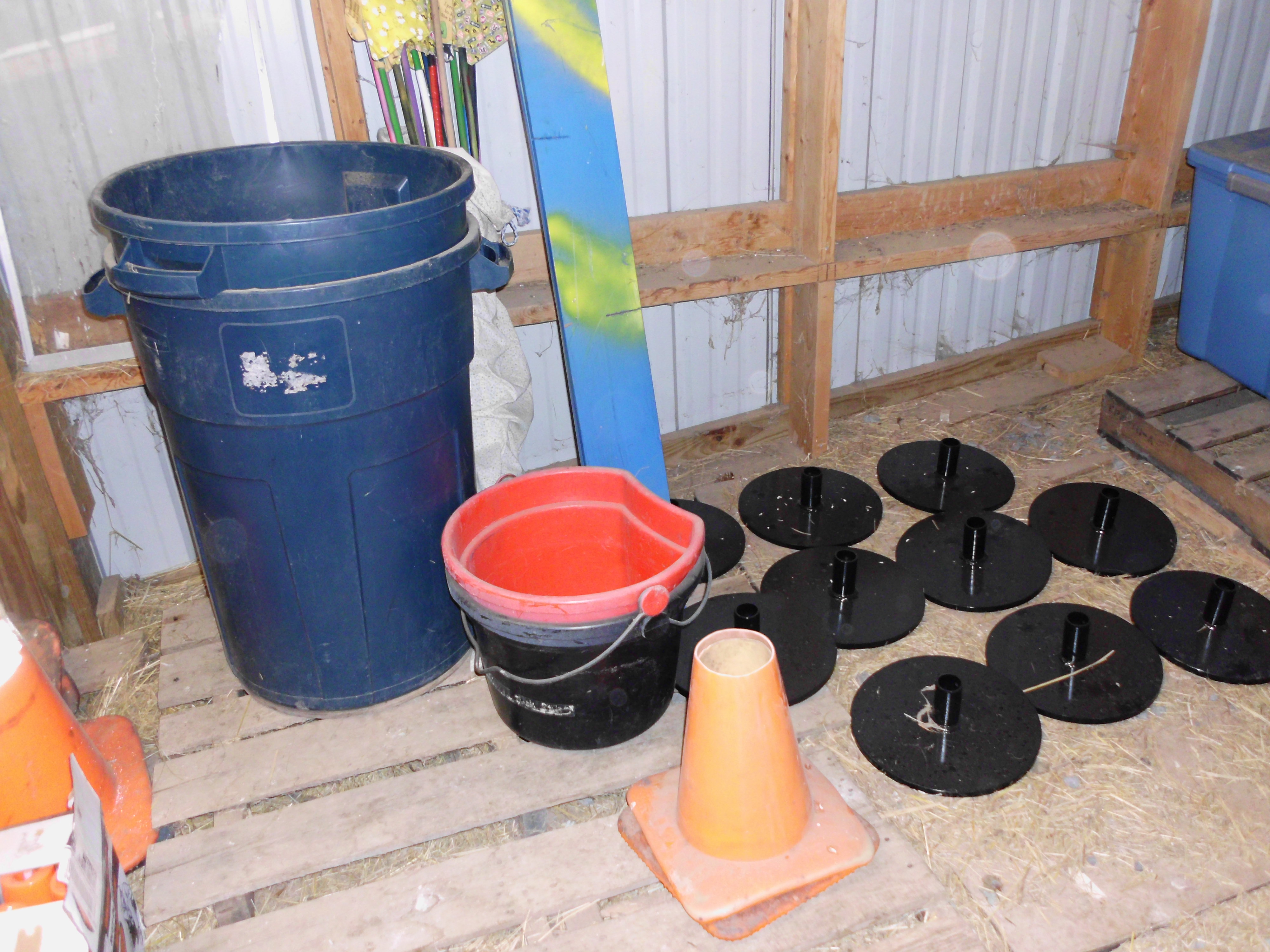
I posted a few weeks ago about getting bending pole bases for our local Blue Ridge Games.  https://blueridgepony.wordpress.com/2012/02/01/games-equipment-for-the-not-for-profit-group/ 

Since then I have been working on getting the poles that go into the bases, painting them, and then assembling the poles into the bases. 

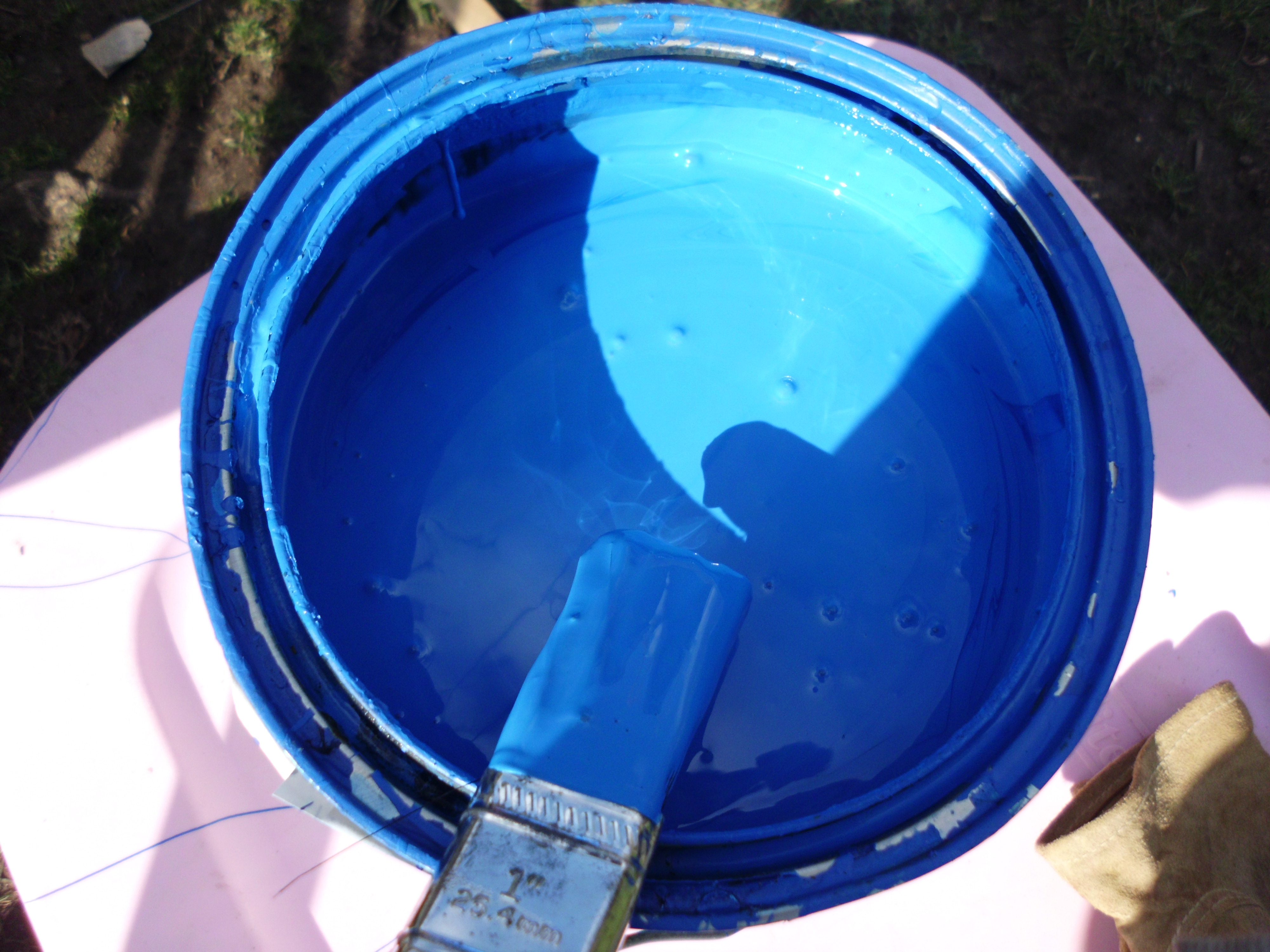
I already had a bucket of blue paint I picked up last summer to paint the balloon boards.  I figure it will be the unoffical, official, Blue Ridge Games equipment color. 

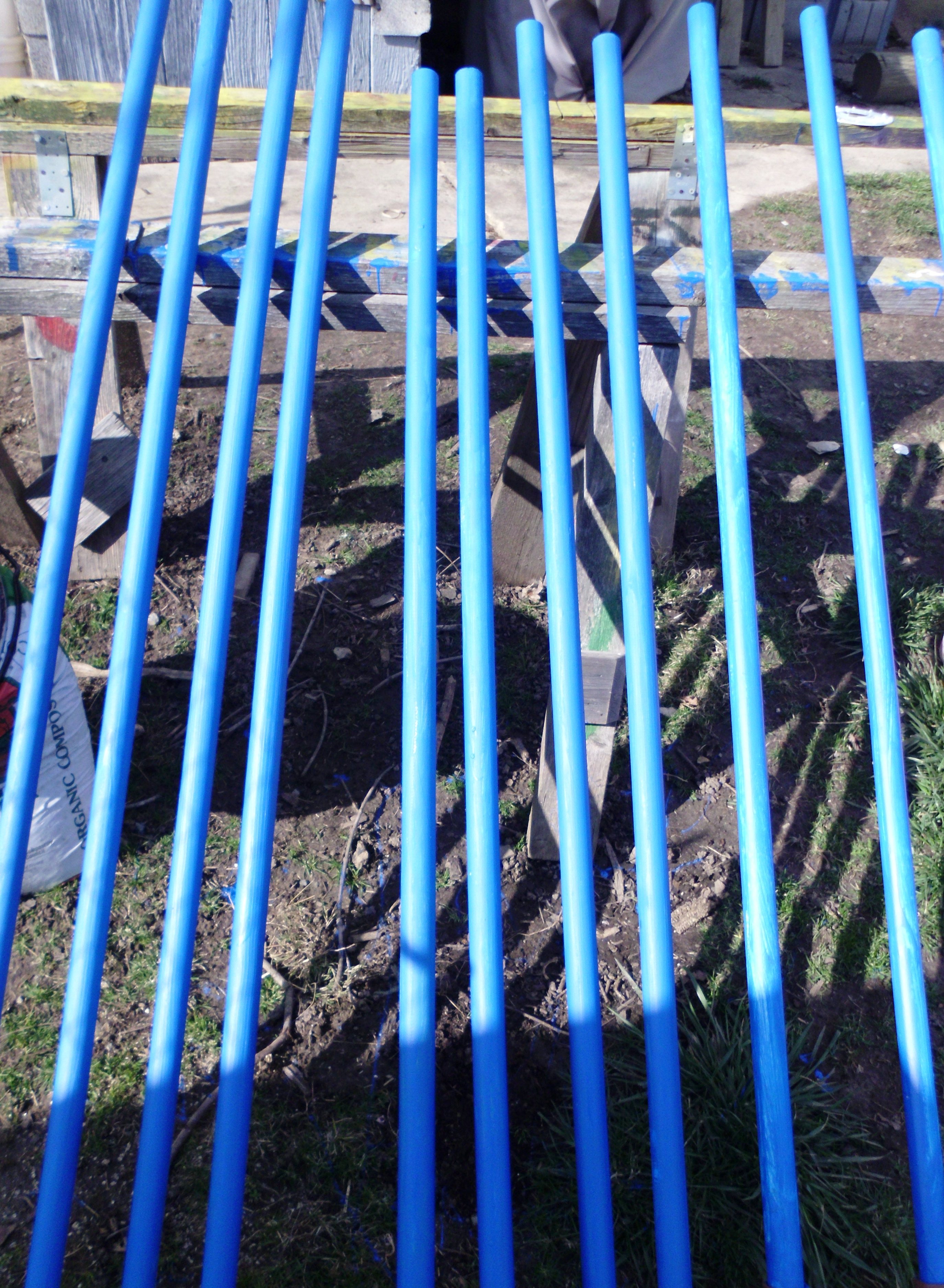
I got the poles painted in blue two weekends ago.  Which took a lot more time than one would think. 

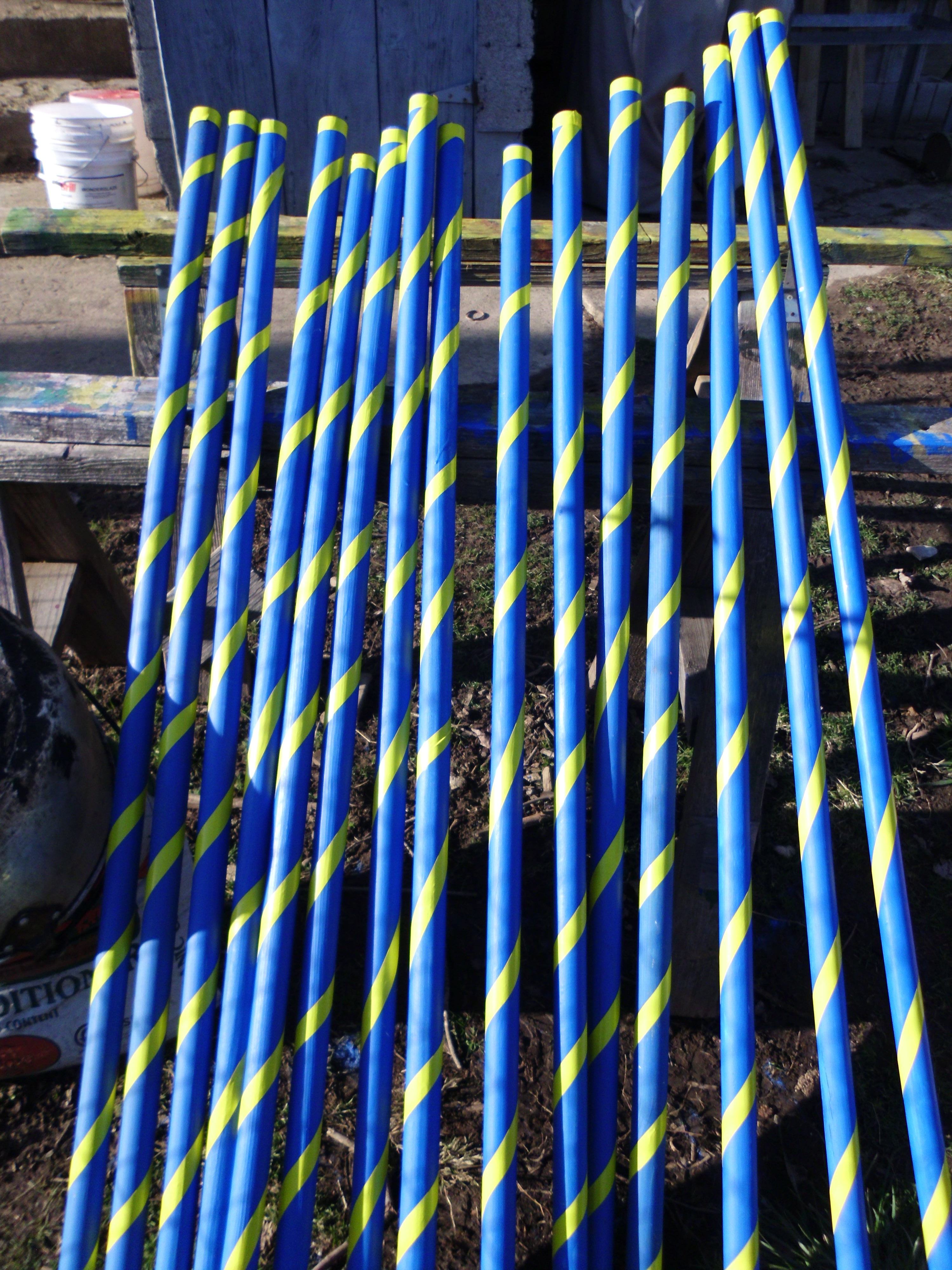
Next I added some yellow electric tape to the poles, in a candy cane like fashion.  I think this really made the poles look a lot fancier.  Side note, the electric tape did not stick to the painted poles nearly as well as I expected.  I wonder how well it will hold up over time and in weather.  I suppose we will see! 

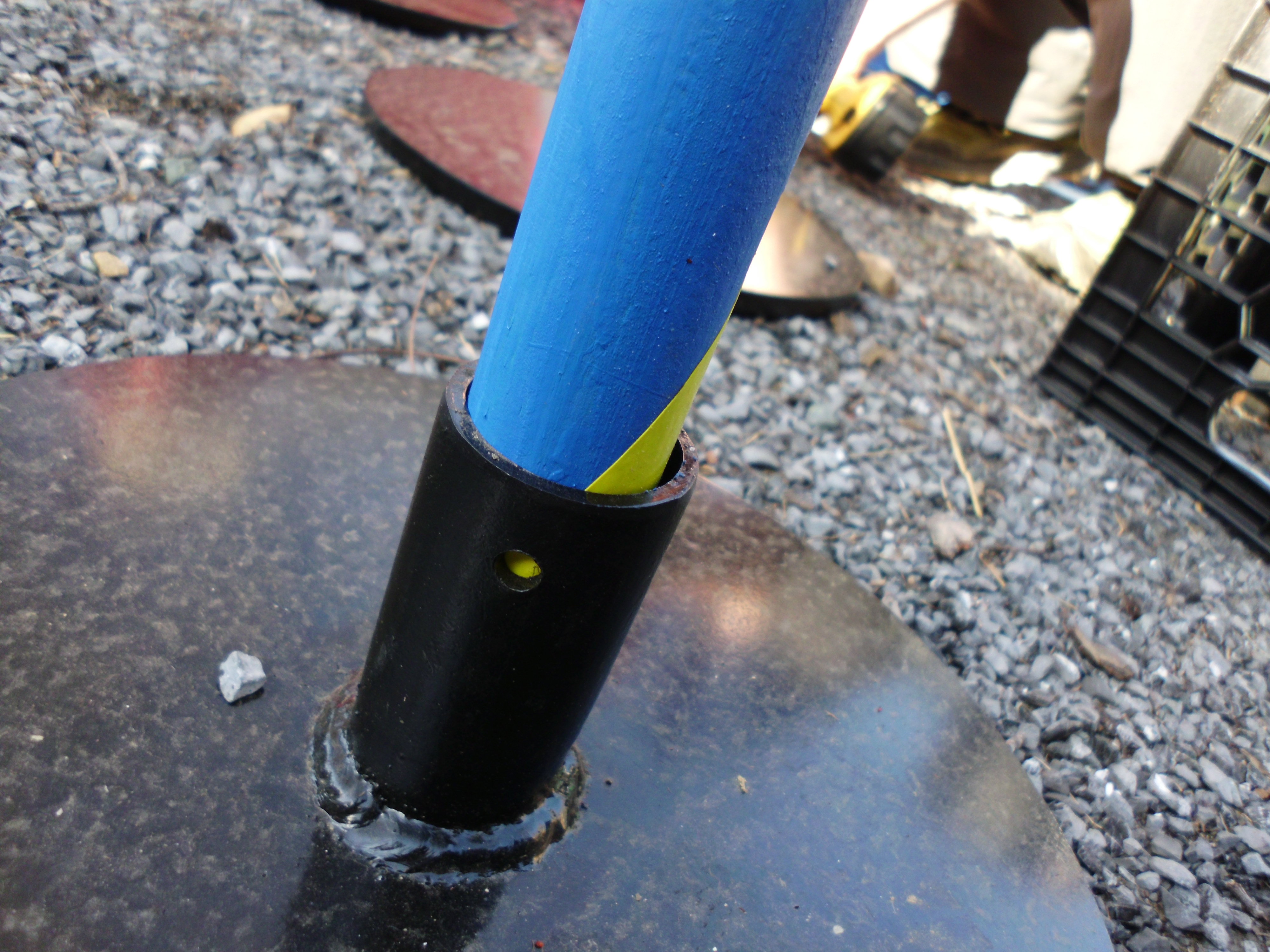
Once the tape was applied the poles were ready for the final step, screwing into the bases. 

Yesterday, Rich helped me finish the process by screwing two screws per base into the poles.   It only took a few minutes, and then they were done! 

Now we have two lanes of five poles, assembled, loaded into my trailer, and ready to go to the first practice of the year this coming Sunday!  Wooo! 

Packing for Next Weekend – Already

Last night I started to pack the games equipment up for our Blue Ridge Games Clinic and Open Practice Session next weekend.

Yep, it’s over a week in advance, but I tend to plan ahead like that.

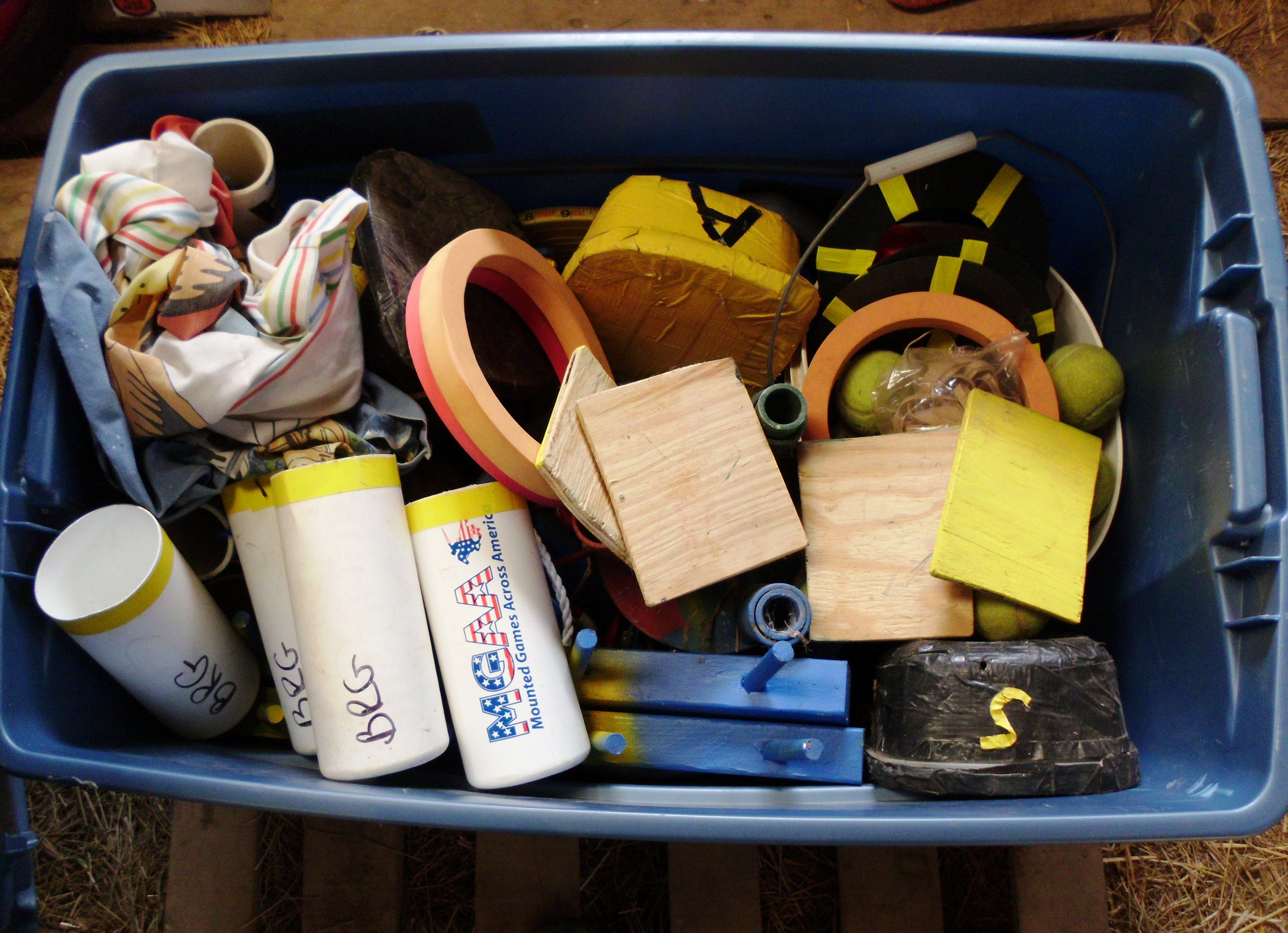
I loaded the smaller stuff into a giant tote and piled most of what was left into the stacked barrels.  I still have a few items I need to pull out of the field but the majority is loaded into the passenger side pony stall in my trailer now.  Ill have to rearrange a little to fit in the bending poles, which still need to be screwed into their bases, but that shouldn’t be too hard.

I am getting pretty excited about next weekend.  It should be a lot of fun!

Litter Training Meets the Draft Brain – 2012

Simon is a slightly slower learner than previous ponies I have had. He tries his best, but things just don’t sink in as quickly. With most of the previous ponies I have trained for games, they seemed to pick up a skill or pattern immediately. With them I would start their first time through bending poles at a trot and by the time we turned around the end pole to bend back, they were already cantering through them.

Not Simon. Granted he is built more like an 18 wheeler and weaving is harder, my previous ponies were more like Moseratis so it was a tad easier for them, it’s been a year now and he still seems a bit confused going through the poles. After we complete a run through them I imagine his brain, “so you want me to change which side of the pole I am running on? Are you sure about that?”

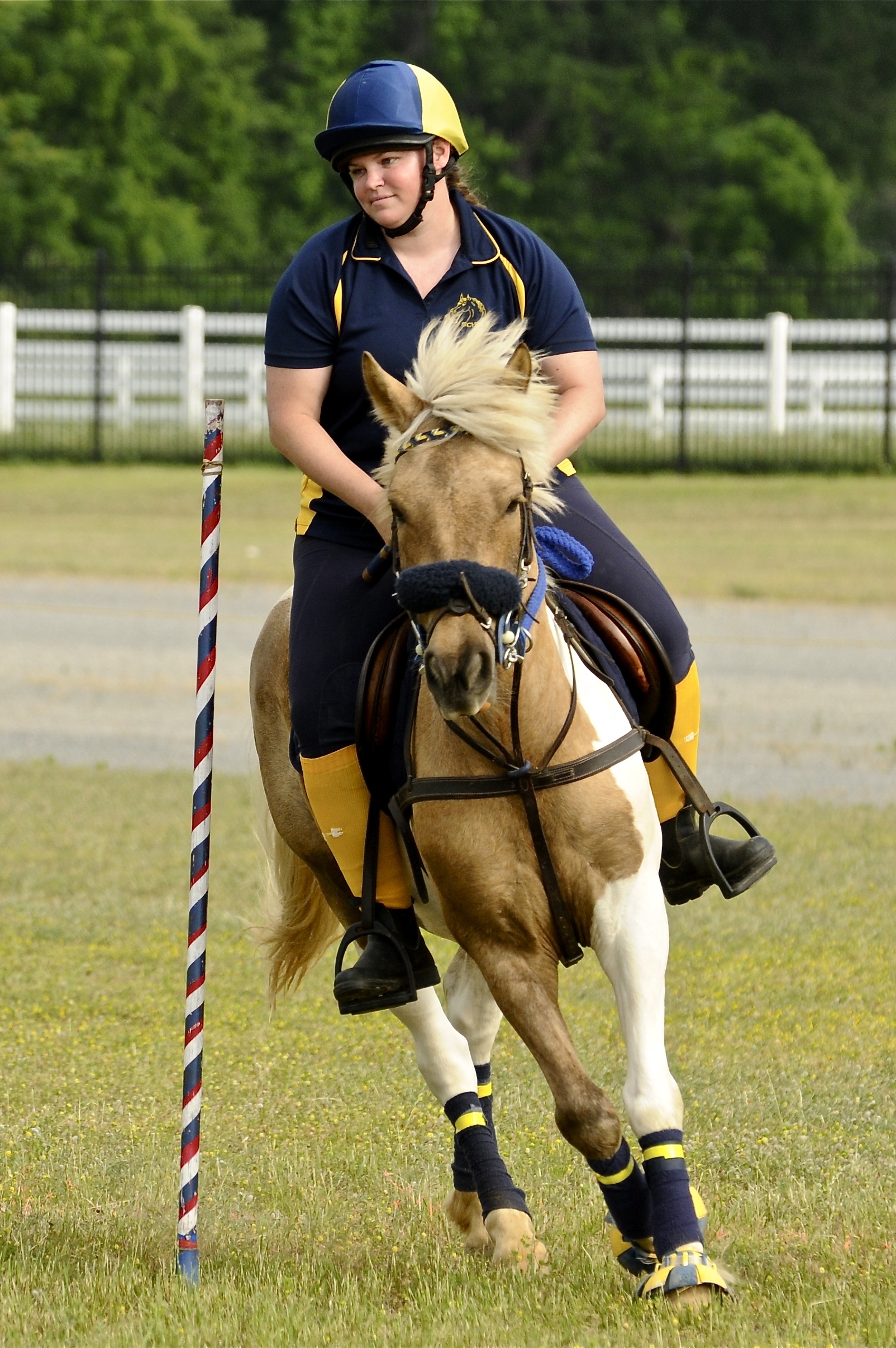
Simon's first competition last April - Bending poles end turn, not pretty

Last night we were doing a little practice and went through the poles at a steady, slow, almost plodding canter, and before we made it to the 5th pole we had already knocked down two. I employ all of my bending skills with him. I neck rein, I direct rein, I throw my weight, I kick with my heels (I even had spurs on last night) and he does move over, just not nearly enough. The second pole he took out was almost smack in the middle of his chest.

I righted the poles and tried going through them again and we did a bit better, managing to leave all the pole standing, although I don’t know if it was physically possible for Simon to go any slower and still maintain the three beat canter. He often trots faster.

His end turn has really improved over the past year though. I give him that. He is developing a nice turn on the haunches. I even had to grab the pole to keep it upright when we turned around it the second time. Go Simon!

Next we worked through litter race some. This is another race that has been a particular challenge for Simon. In litter, the rider starts at the A line and rides up the field to a neatly lined up “pile” of cartons. For MGAA we use water bottle like containers with the end cut off. The open end is facing away from the A line. So the rider must ride behind the containers, turning to face the A line, and using a little stick (4 foot dowel rod), scoop up one carton. The rider then rides back to the A line, dropping the litter from the stick into a trash can that is sitting in the middle of the field. (up and back).

Simon's first competition last April - walking his turn to face the litter

All of my previous ponies quickly learned to gallop up, canter a tight turn around the cartons, leaving me enough space to lean and scoop up one littler on the turn, and gallop back with me depositing the litter on the run.

May 2011 - Pick and Run

Not so easy for Simon. Last year we cantered up, trotted a turn, stopped, I scooped the litter, and then he galloped home. Although Simon seems to have really grasped how to complete this task, breaking down to a trot and then stopping even for a second, really eats up time. So I have been making an effort to teach him to continue moving through his turn.

We have been working on this pretty rigorously for the past month and are getting mixed results. Most days, the first four or five times through the race Simon does not quite understand that I am asking him to turn completely and he turns half way. Eventually he gets it and continues through the turn although then we are still left trying to get the size of his turn perfected, which is disconcertingly inconsistent.

Spring 2011 - Stand and pick

Sometimes I ask him to turn and he drops his butt and turns nice and tight on his haunches. Other times he makes a big sweeping arch of a turn and we wind up three lanes over. Sometimes he gets distracted by a bird or a tree branch and makes the turn but with his head in the wrong direction and his body bowed awkwardly. This inconsistency makes it frustrating for me to determine just when and how much force to use to ask for the turn. Too much and he runs over the litter, too little and they are out of reach.

I am told that this is a draft brain. That drafts are generally known for their willingness and interest in pleasing their rider, but are a little slow on the uptake.

April 2011 - He knows to gallop home at least!

We are going to keep working on this particular skill and eventually we are going to get it right. Hopefully before the competition season gets going!